Considered the heart of India, Uttar Pradesh is a tapestry of history, spirituality, and cultural diversity. As the birthplace of Hinduism and Buddhism, this state is home to many iconic places like Varanasi, Agra, Ayodhya, and Mathura that were pivotal in shaping human civilization.
The history of this region dates back to 1200 BCE. Kashi was one of the cosmopolitan cities that signified its culture and trade. Centuries later, the Golden Temple of Kashi was said to be one of the jewels in the crown of India by Lord Curzon as it tanked India’s civilization with Mughal remnants.
Every inch of Varanasi is filled with shrines, temples, and sacred sites which makes it a pilgrimage center for millions around the globe, and the holy chants on the banks of Ganga’s reverberate has an unparalleled soothing appeal.
Uttar Pradesh narrates the tale of south Asian culture and civilization that is engraved deep in the scriptures of Ramayana.
A Tapestry of Attractions: Exploring Uttar Pradesh’s Treasures
Uttar Pradesh is adorned with a wealth of attractions, each narrating a unique chapter of India’s rich heritage. These treasures can be broadly categorized into historical sites, spiritual sanctuaries, and natural landscapes, offering a comprehensive travel experience.
Historical Grandeur
The state is a veritable open-air museum of historical architecture, with prominent cities showcasing the grandeur of bygone eras.
Agra: The Epitome of Mughal Art
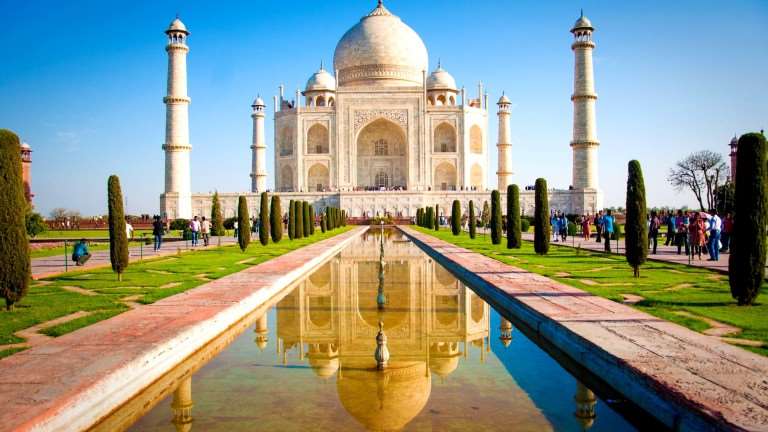
Agra is a city that reflects the richness of the Mughal empire, and it is best known for the majestic Taj Mahal. This remarkable building, recognized by UNESCO as a World Heritage Site, is a worldwide symbol of lasting love. Built between 1632 and 1654 at the order of Emperor Shah Jahan in memory of his dear wife Mumtaz Mahal, who died just a year earlier, the Taj Mahal took around 22 years to finish. Its shining white marble, beautifully decorated with detailed carvings and inlay work using precious and semi-precious stones, shows incredible artistry. The balanced design, topped by tall minarets and surrounded by vast Mughal gardens, adds to its stunning charm.
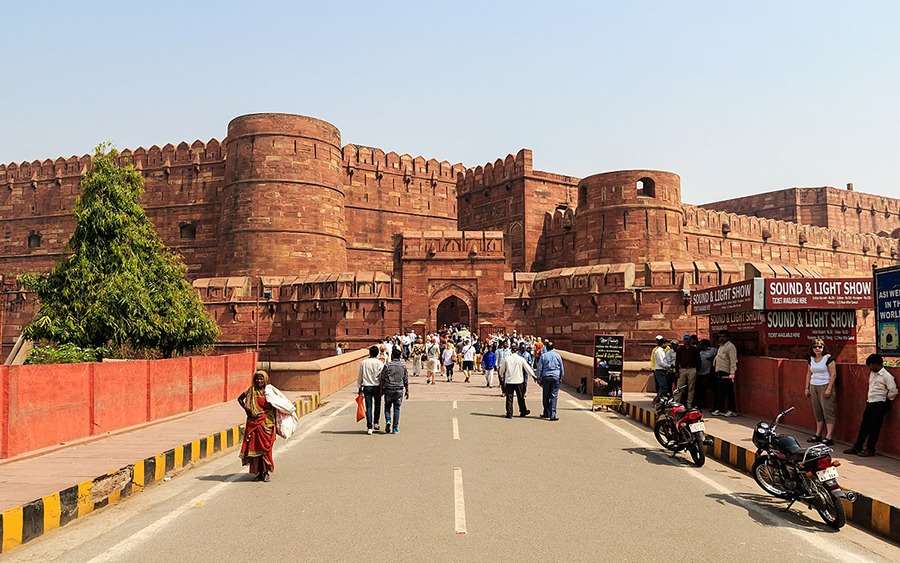
The Agra Fort is another treasure in Agra, recognized as a UNESCO World Heritage Site. It has great historical and architectural importance, having once been a stronghold of power for the Mughal Empire. Its major changes started in 1565 when Mughal Emperor Akbar took charge, and his grandson, Shah Jahan, later added more features. The fort is surrounded by striking red sandstone walls that stretch for about 2.5 kilometers. Inside, you’ll find a remarkable array of buildings, including several gates-like the Delhi Gate and the Amar Singh Gate-as well as the beautiful Sheesh Mahal (Mirror Palace), the Diwan-i-Aam (Hall of Public Audience), the Diwan-i-Khas (Hall of Private Audience), Jahangir’s Palace, the Khas Mahal, the Musamman Burj, and the lovely Moti Masjid (Pearl Mosque).
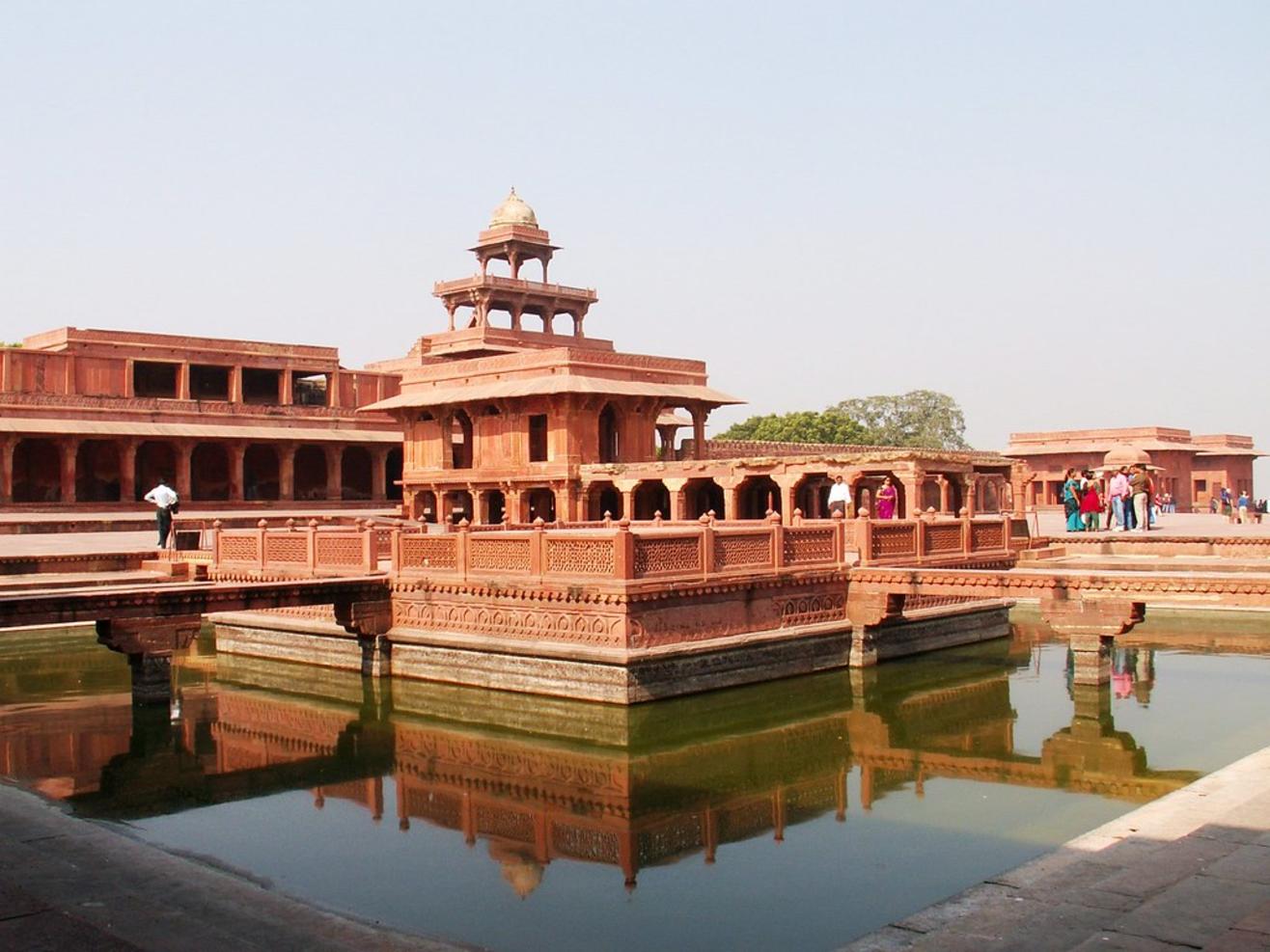
Fatehpur Sikri is just a short distance from Agra and is a deserted fort city declared a UNESCO World Heritage Site. Akbar built it in 1569 and it was the Mughal capital from 1571 to 1585 in honour of Sufi saint Sheikh Salim Chishti. The city has wonderful Mughal architecture with Buland Darwaza, a 54 meter high gateway, Jama Masjid one of the largest mosques in India, Panch Mahal a 5 storeyed palace, Diwan-i-Aam, Diwan-i-Khas and Jodha Bai’s Palace.
Agra also has other Mughal monuments like Akbar’s Tomb in Sikandra, a beautiful sandstone and marble tomb of the great emperor and Tomb of I’timad-ud-Daulah, also called Baby Taj, which is older than Taj Mahal and has exquisite marble inlay work.
Lucknow: The City of Nawabs
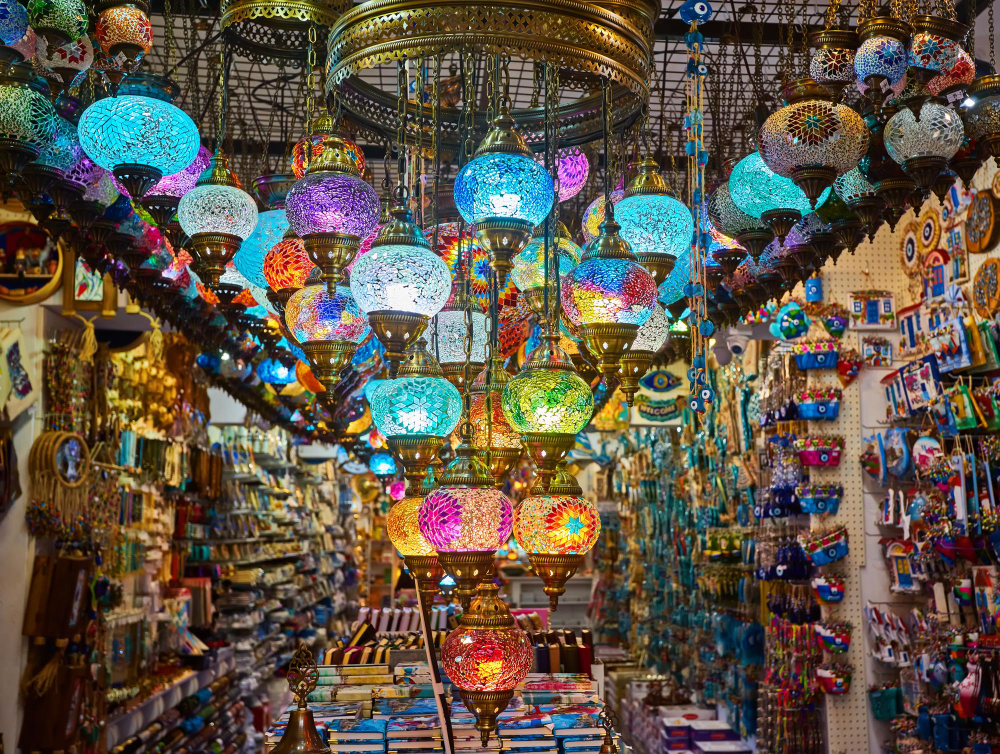
Lucknow is the capital of Uttar Pradesh and is famous for its Nawabi culture, etiquette and cuisine. Once the home of the Nawabs of Oudh, the city has grand monuments and parks that reflect its history and culture. The British Raj era also has its presence in the city.
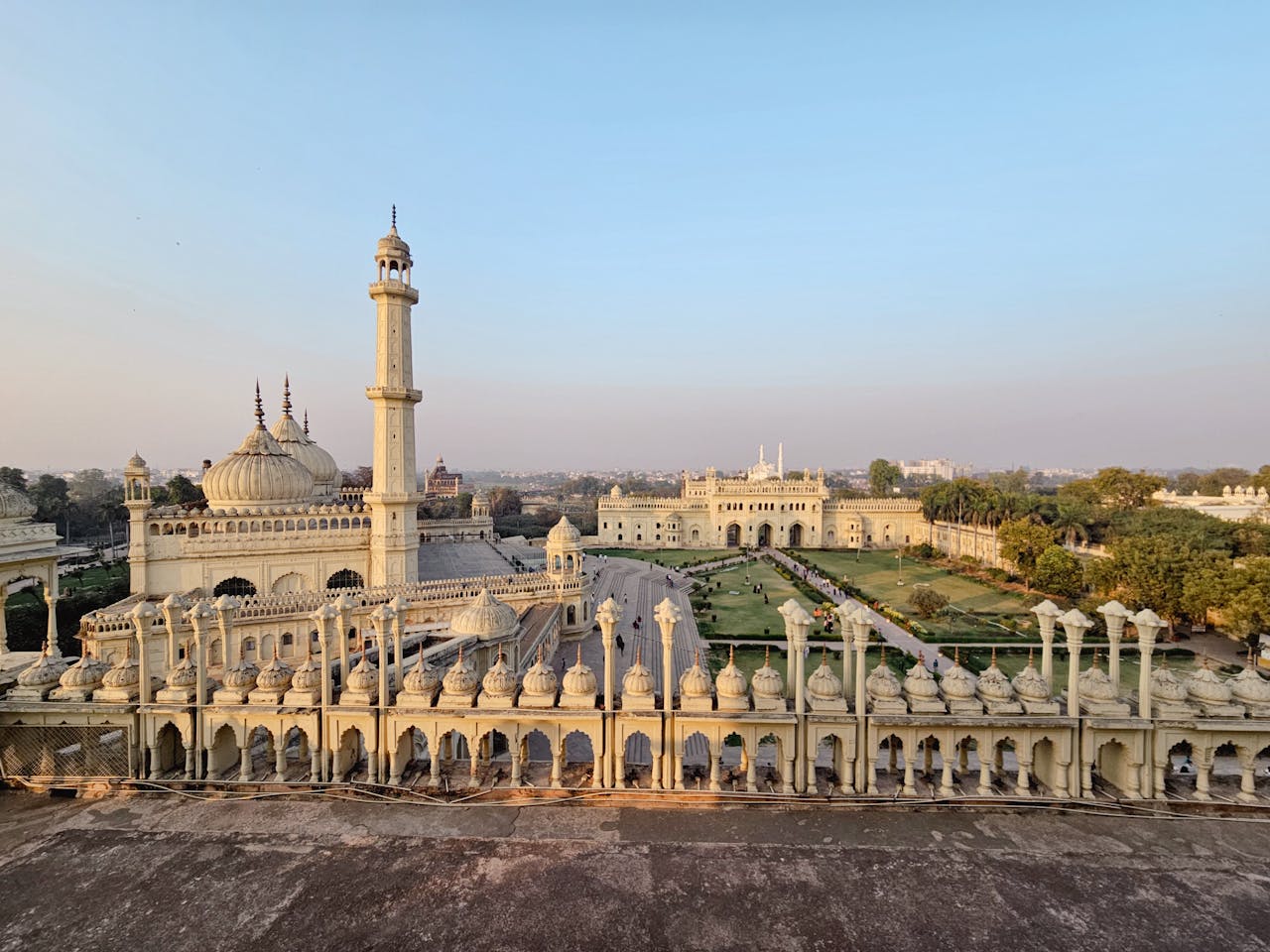
The Bara Imambara also known as Asfi Imambara was built by Nawab Asaf-ud-Daula in 1784. This Shia Muslim shrine is one of the biggest buildings in the city and has the famous Bhool Bhulaiya, a maze of corridors and an enormous central hall without any pillars.
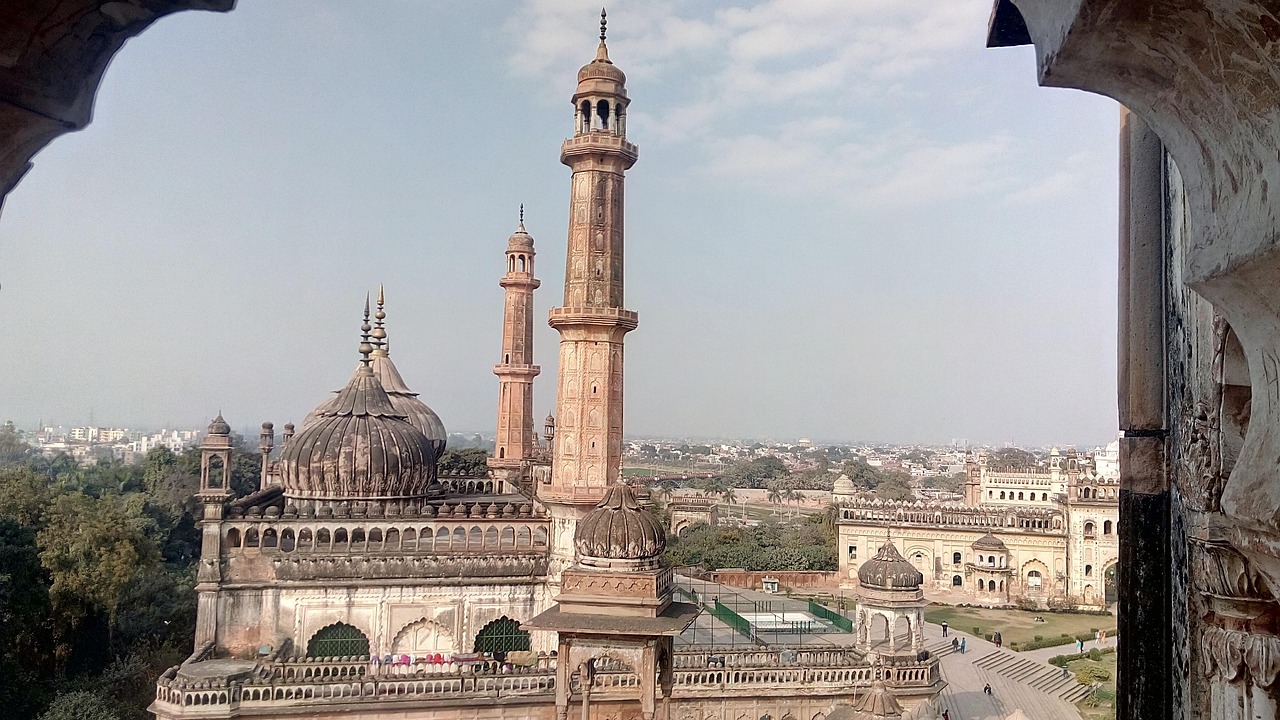
The Chota Imambara or Hussainabad Imambara built in 1838 by Nawab Muhammad Ali Shah is a mausoleum with luxurious decorations including intricate calligraphy and beautiful chandeliers. The Rumi Darwaza built in 1784 by Nawab Asaf-Ud-Daula is an imposing gateway that showcases the Awadhi architecture of the city. The British Residency a sprawling complex of gardens and ruins is a reminder of the British colonial presence and the 1857 Siege of Lucknow.
Other Historical Gems
Beyond Agra and Lucknow, Uttar Pradesh has many more historical sites. Jhansi in the southern part of the state is famous for its role in India’s First War of Independence and Rani Lakshmibai’s bravery. Her fort and Rani Mahal are a testament to her heroic tales. Sarnath near Varanasi is a sacred place for Buddhists as it is the place where Lord Buddha delivered his first sermon after attaining enlightenment, marked by the Dhamek Stupa and the Ashoka Pillar. Prayagraj (formerly Allahabad) is where the Ganga, Yamuna and Saraswati rivers meet and has the Allahabad Fort and Anand Bhavan as its landmarks. Other historical sites like Chunar Fort, Kalinjar Fort, Hastinapur and Kanpur also give a glimpse of the state’s rich history.
Spiritual Sanctuaries
Uttar Pradesh is a land deeply imbued with spirituality, attracting millions of pilgrims and spiritual seekers to its numerous holy sites.
Varanasi: The Spiritual Capital
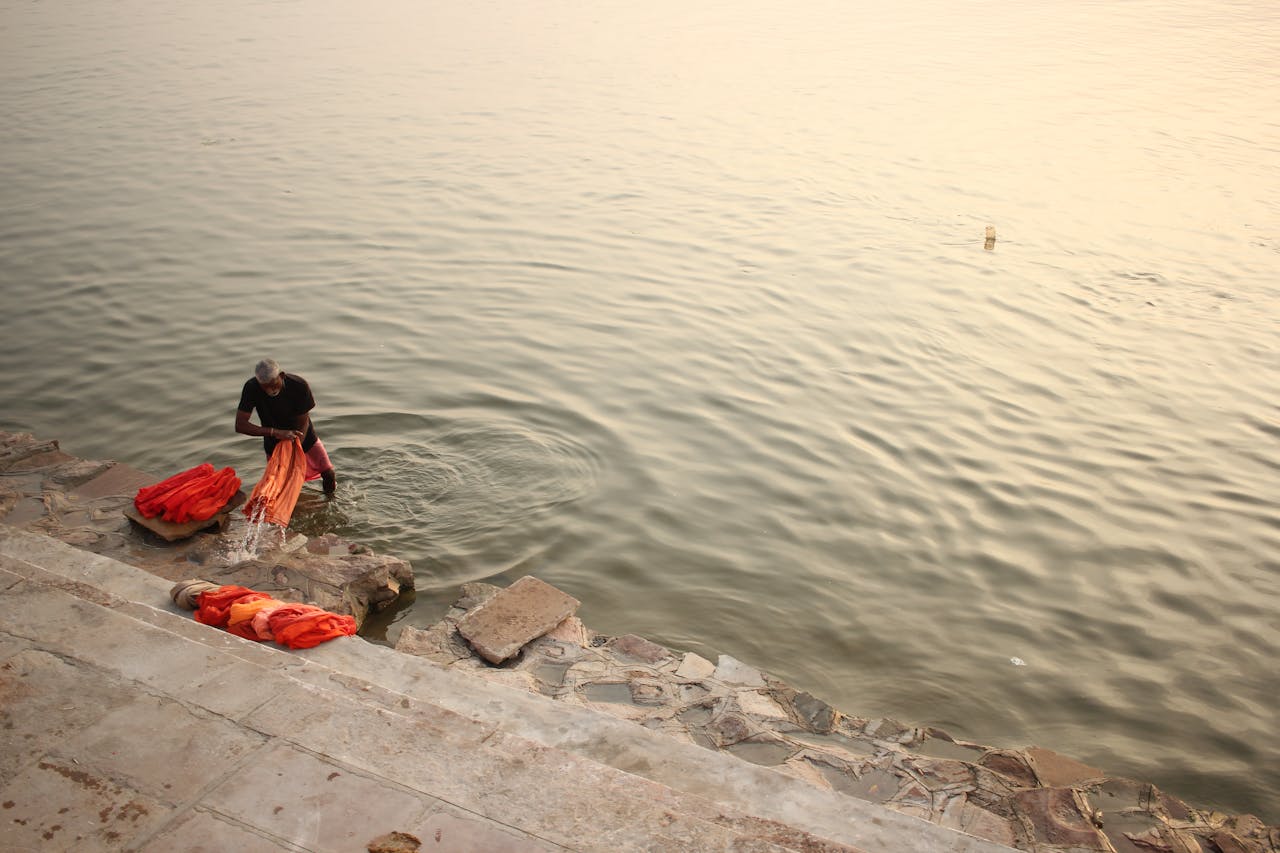
Varanasi, often called the “Spiritual Capital of India,” is one of the oldest cities still populated today, sitting alongside the holy Ganges River. This classic city attracts many visitors looking for spiritual growth and freedom from the cycle of life and death. A key attraction here is the Kashi Vishwanath Temple, or the Golden Temple, which is one of the most important Hindu temples dedicated to Lord Shiva. It houses the Vishwanath Jyotirlinga, a sacred symbol. The Varanasi Ghats, a series of steps leading directly to the river, are the city’s spiritual center where people come to pray, cleanse themselves in the river’s holy waters, and experience the nightly Ganga Aarti, a beautiful ceremony that honors the river. Among these ghats, Dashashwamedh Ghat is especially well-known for its evening Aarti, while Manikarnika Ghat serves as the primary cremation site.
Ayodhya: The Sacred Birthplace of Lord Ram
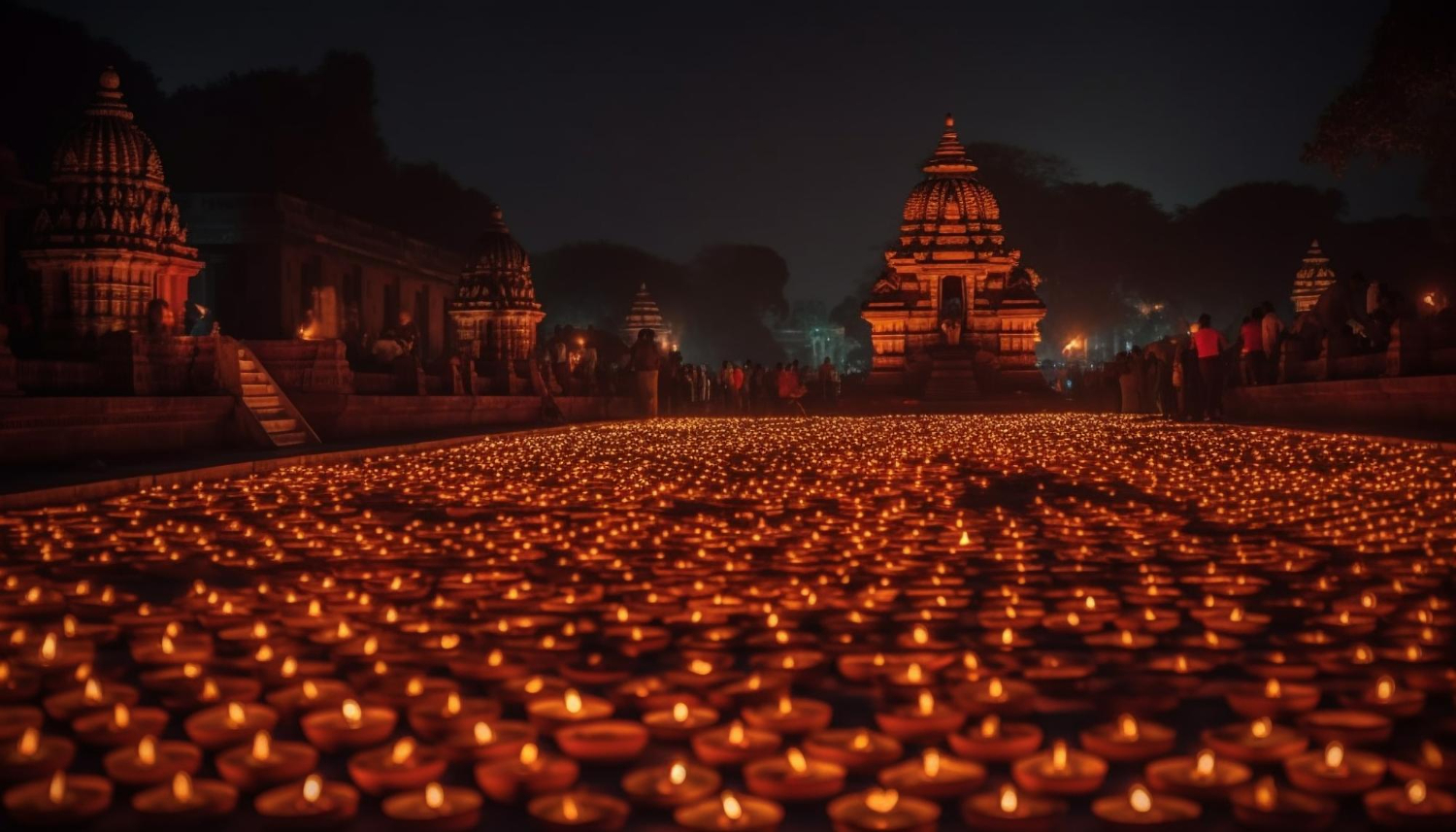
Moving on to Ayodhya, which is nestled along the Sarayu River, this city is deeply revered as the birthplace of Lord Ram and is considered one of the seven most sacred cities in Hinduism. Known as Saketa in ancient times, Ayodhya attracts many visitors for its significant religious sites, including Ram Janmabhoomi, thought to be the exact spot where Lord Rama was born, Hanuman Garhi Mandir, dedicated to Lord Hanuman, and Kanak Bhawan. The city also features Ram ki Paidi, a series of ghats along the river, adding to its charm with numerous temples that tell the epic tale of Lord Rama.
Mathura and Vrindavan: The Abode of Lord Krishna
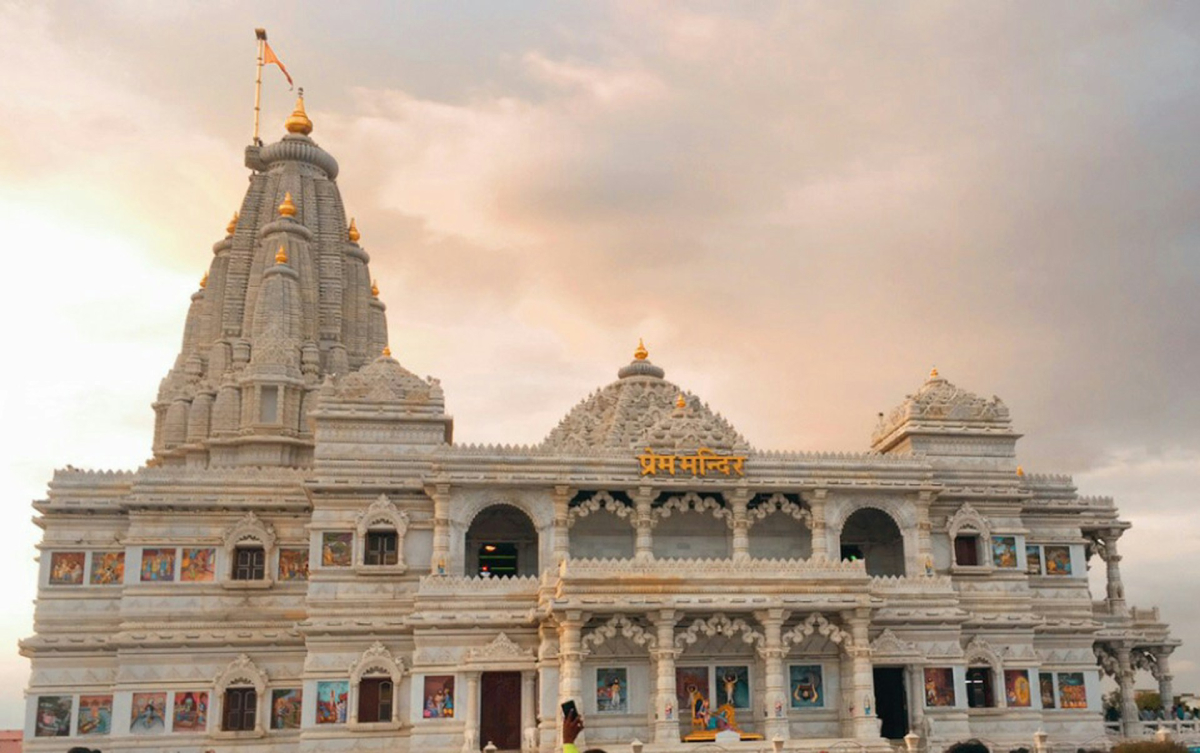
Then there’s Mathura, located along the Yamuna River, which is celebrated as the birthplace of Lord Krishna and is another of those sacred cities. It’s home to the Shri Krishna Janmasthan Temple, which marks the spot of Krishna’s birth, and the Dwarkadhish Temple, among other sacred sites. Nearby is Vrindavan, where Lord Krishna spent his childhood. This town is packed with temples devoted to Krishna and his beloved Radha, like the Banke Bihari Mandir, Prem Mandir, and ISKCON Temple. Mathura and Vrindavan are especially famous for their lively celebrations of Holi, the festival of colors, showcasing the unique Latth Mar Holi.
Prayagraj: The Land of the Holy Confluence
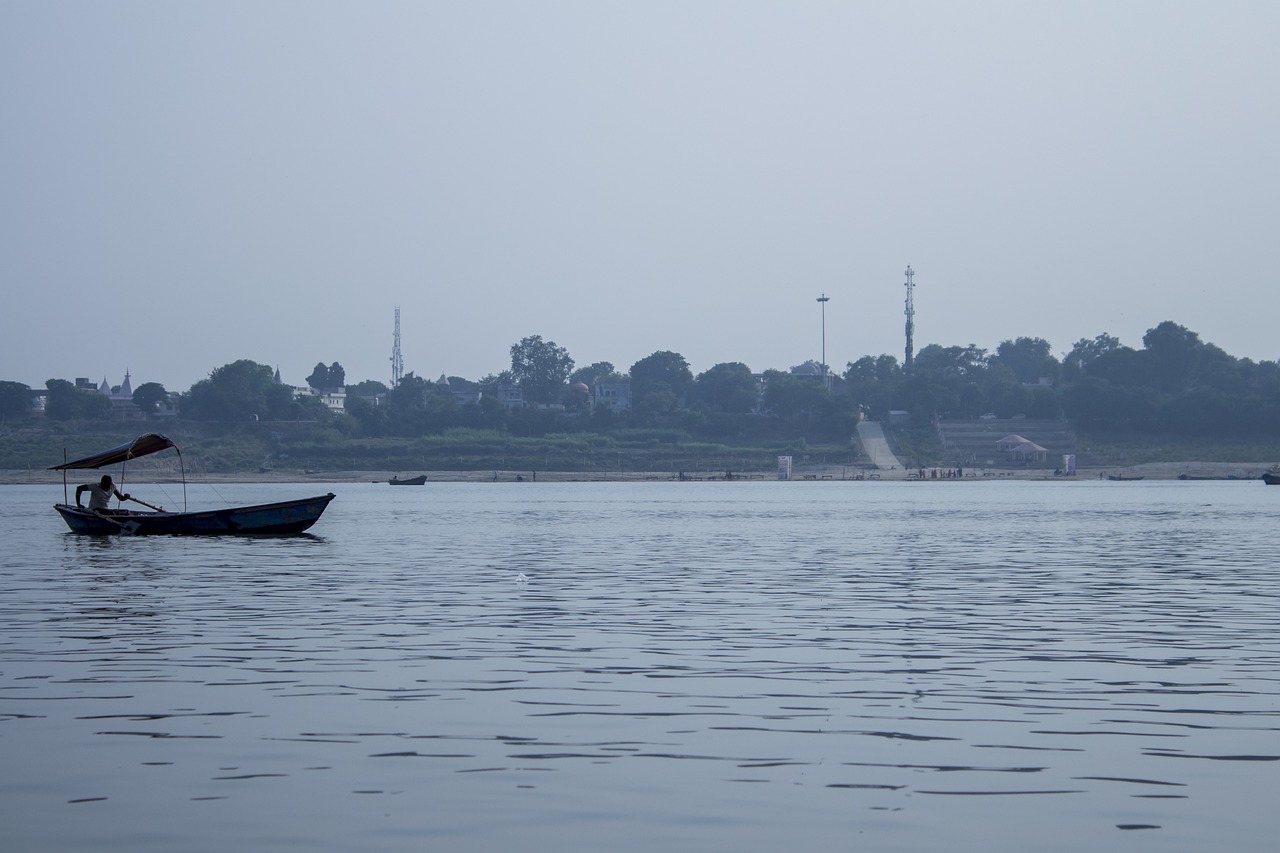
Prayagraj, which was once known as Allahabad, is one of the holiest spots in India. It sits at the meeting point of three rivers—the Ganga, Yamuna, and the mythic Saraswati—an area called the Triveni Sangam. This city is renowned for hosting the Kumbh Mela, a massive spiritual gathering that takes place every 12 years. Among the city’s many attractions are the Allahabad Fort, built by Mughal Emperor Akbar in 1583, and Anand Bhavan, the historic home of the Nehru family, which is now a museum.
Other Spiritual Sites
Uttar Pradesh is rich in spiritual locations that cater to various beliefs. For instance, near Varanasi is Sarnath, a major Buddhist pilgrimage site where Lord Buddha gave his first sermon. Chitrakoot, in the Vindhyan hills, is believed to be where Lord Rama spent part of his exile. Naimisaranya, located in the Sitapur district, is said to be the first place where the Vedas were recited, while Kushinagar is where Lord Buddha achieved Mahaparinirvana.
Nature’s Embrace
While Uttar Pradesh is rich in history and spirituality, it also offers serene natural landscapes and wildlife sanctuaries.
Wildlife Sanctuaries and National Parks
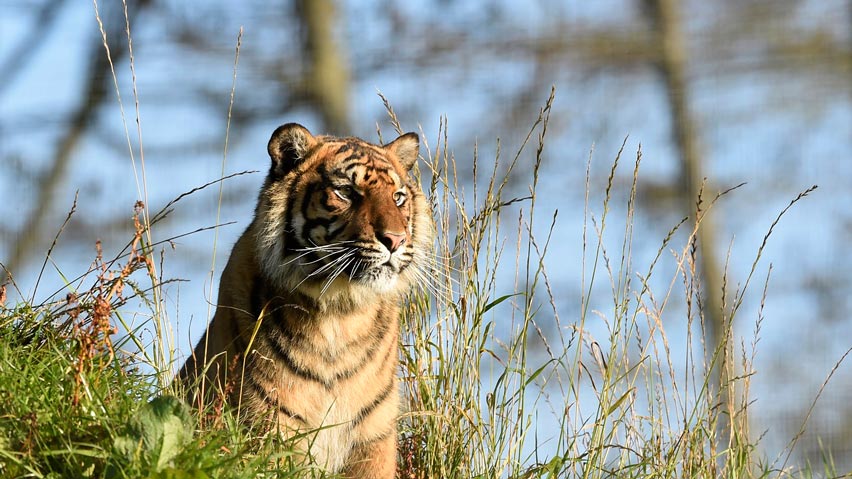
Nature lovers can find a paradise in Dudhwa National Park, located near the Indo-Nepal border in Lakhimpur Kheri. This park is home to Bengal tigers, Indian rhinoceroses, and various other wildlife in the Terai-Duar ecosystem. For those seeking adventure, jeep safaris and elephant rides offer an exciting way to explore the wildlife. The National Chambal Wildlife Sanctuary, which spreads into Uttar Pradesh, Madhya Pradesh, and Rajasthan, is essential for protecting the critically endangered gharial, the endangered Ganges river dolphin, and the vulnerable red-crowned roof turtle. There are also river safaris that allow you to see some of these unique aquatic species. Other important wildlife areas in the state include the Pilibhit Tiger Reserve and the Katarniaghat Wildlife Sanctuary.
Scenic Landscapes and Waterfalls
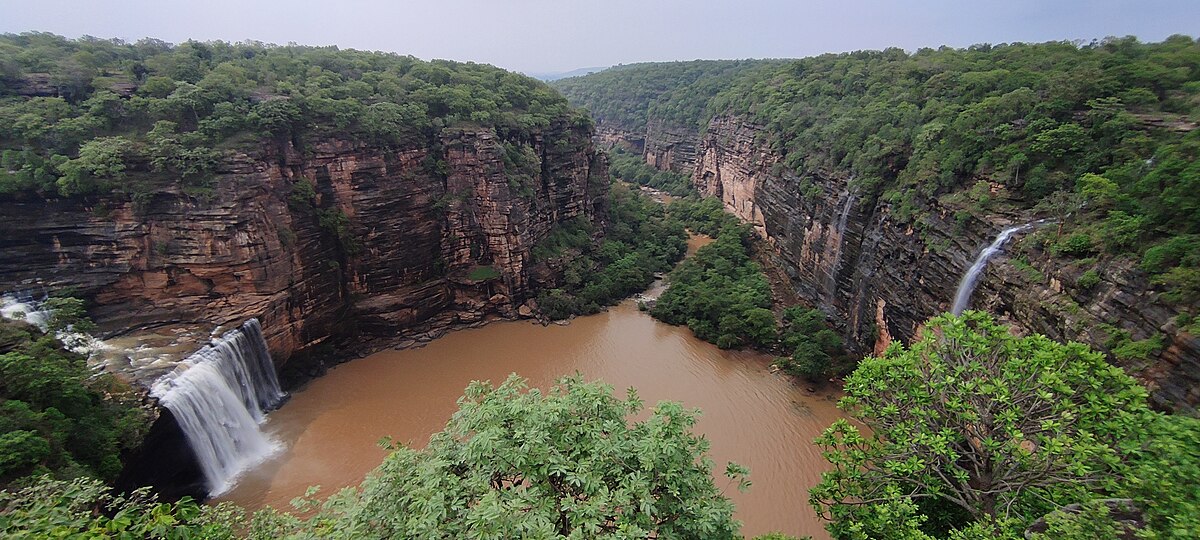
Uttar Pradesh’s natural scenery is further enhanced by beautiful landscapes and stunning waterfalls, like Rajdari and Devdari, found within the Chandra Prabha Wildlife Sanctuary. The Lakhaniya Hills and Waterfall near Latifpur also provide perfect spots for a scenic retreat.
Bird Sanctuaries and Parks
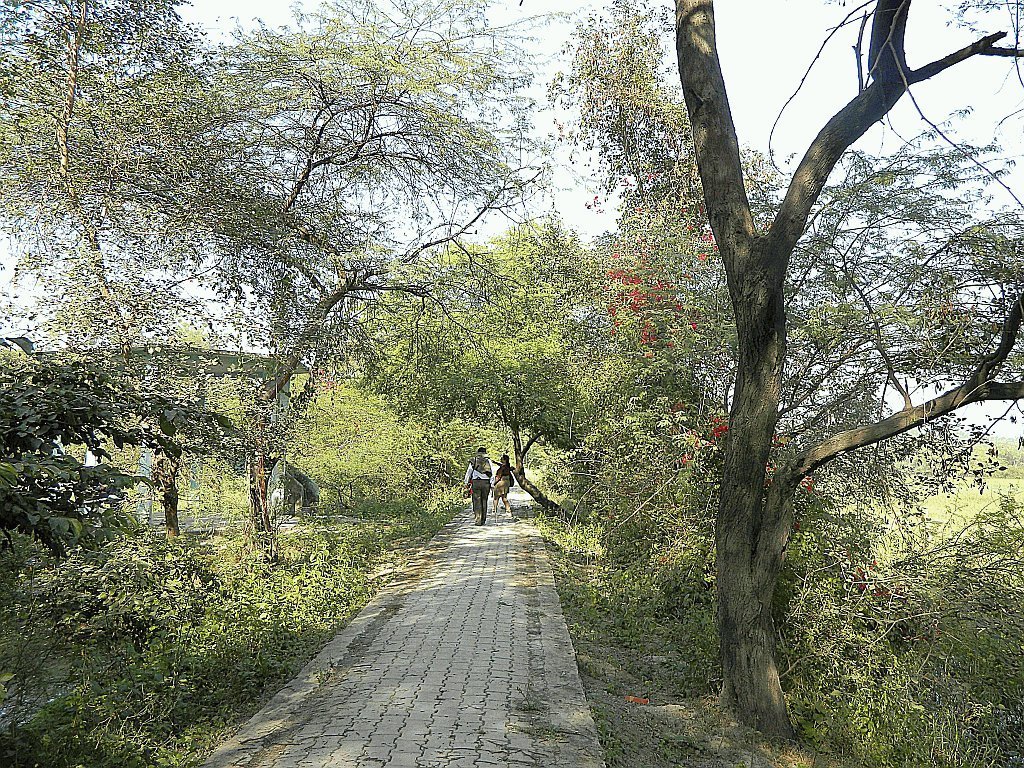
For birdwatching enthusiasts, Uttar Pradesh is a treasure trove, with several sanctuaries and parks that attract various bird species. The Nawabganj Bird Sanctuary in Unnao is home to over 250 types of migratory and resident birds. Near Agra, the Soor Sarovar Bird Sanctuary is another great location to catch a glimpse of migratory birds. The Lakh Bahosi Bird Sanctuary is among the largest in the state. In urban areas, you can find green getaways like Gautam Buddha Park and Janeshwar Mishra Park in Lucknow, perfect for unwinding and enjoying the outdoors.
Planning Your Journey: Essential Information for Tourists
To ensure a smooth and enjoyable trip to Uttar Pradesh, understanding the best time to visit, accommodation options, and transportation is crucial.
The Best Time to Visit
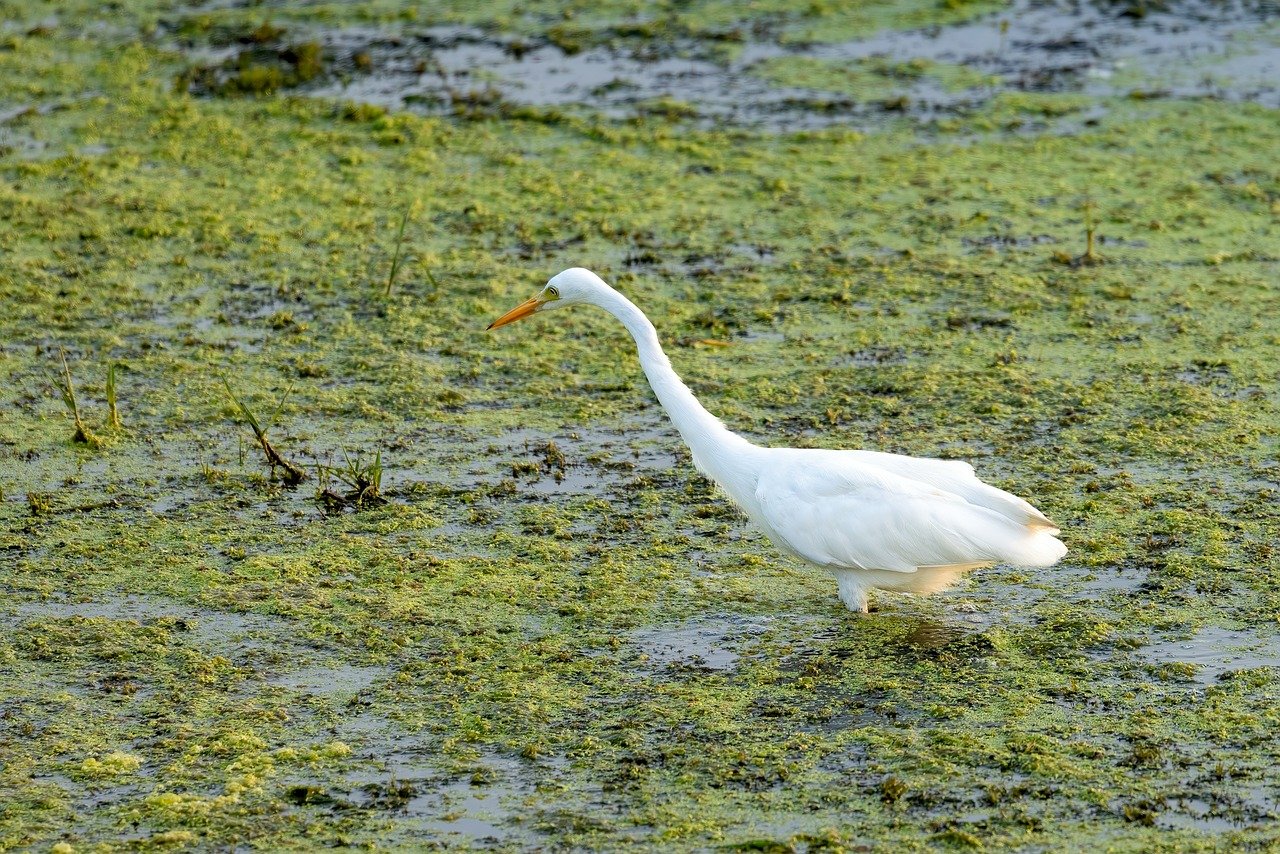
If you’re thinking about visiting Uttar Pradesh, the best time to go is during the winter months, from October to March. The weather during this time is quite pleasant, with temperatures sitting between 10 to 20 degrees Celsius. It’s comfortable for sightseeing and outdoor fun, making this period popular among tourists. Cities like Agra, Varanasi, Lucknow, Mathura-Vrindavan, and Ayodhya really shine during these months. If you’re interested in wildlife, Dudhwa National Park is open from November to June, with the prime time for spotting animals being from December to April. Prayagraj is also best enjoyed between October and March, avoiding the sweltering heat and monsoon rains, except when the famous Kumbh Mela takes place, which draws in huge crowds and changes the vibe of the city.
As for the summer, from April to June, be prepared for some serious heat. Temperatures can reach as high as 45 degrees Celsius, particularly in places like Agra, which can make it uncomfortable for exploring. However, summer also means fewer tourists and often lower prices for places to stay and travel. The monsoon season, covering July to September, brings moderate to heavy rainfall, with temperatures between 25 and 35 degrees Celsius. While the rains can make everything look lush and beautiful, they can also lead to travel delays.
Uttar Pradesh is known for its vibrant festivals scattered throughout the year. The Taj Mahotsav, which celebrates local arts and crafts, usually happens in February or March. March is also when Holi, the joyous festival of colors, is celebrated with great enthusiasm, especially in Mathura and Vrindavan. Diwali, the festival of lights, typically falls in October or November, while Janmashtami, celebrating the birth of Lord Krishna, occurs in August or September. The Kumbh Mela, a grand spiritual gathering that happens every 12 years in Prayagraj, attracts millions of pilgrims and is a truly unique experience.
Best Time to Visit Key Destinations
| Destination | Best Months (Weather) | Notable Festivals |
|---|---|---|
| Agra | October to March | Taj Mahotsav (Feb/Mar), Ram Barat (Sep) |
| Varanasi | October to March | Dev Deepawali (Oct/Nov), Holi (Mar) |
| Lucknow | October to March | Lucknow Mahotsav (Nov/Dec), Diwali |
| Mathura-Vrindavan | October to March | Holi (Mar), Janmashtami (Aug/Sep) |
| Ayodhya | October to March | Ram Navami (Mar/Apr), Diwali |
| Dudhwa National Park | November to June | |
| Prayagraj | October to March (except Kumbh) | Kumbh Mela (every 12 years) |
Accommodation Options

When it comes to finding a place to stay, Uttar Pradesh has options for every budget. Travelers on a tight budget can easily find guesthouses and homestays that offer basic amenities at reasonable rates in popular spots like Agra and Varanasi. If you want a bit more comfort, mid-range hotels with features like air conditioning and dining options are available, including chains like Ginger Hotels and Fairfield by Marriott. For a more luxurious experience, splurge on high-end hotels and resorts like The Oberoi Amarvilas in Agra or BrijRama Palace in Varanasi. The Uttar Pradesh Tourism Department also runs tourist bungalows and rest houses that are worth considering.
Navigating Uttar Pradesh: Transportation Guide
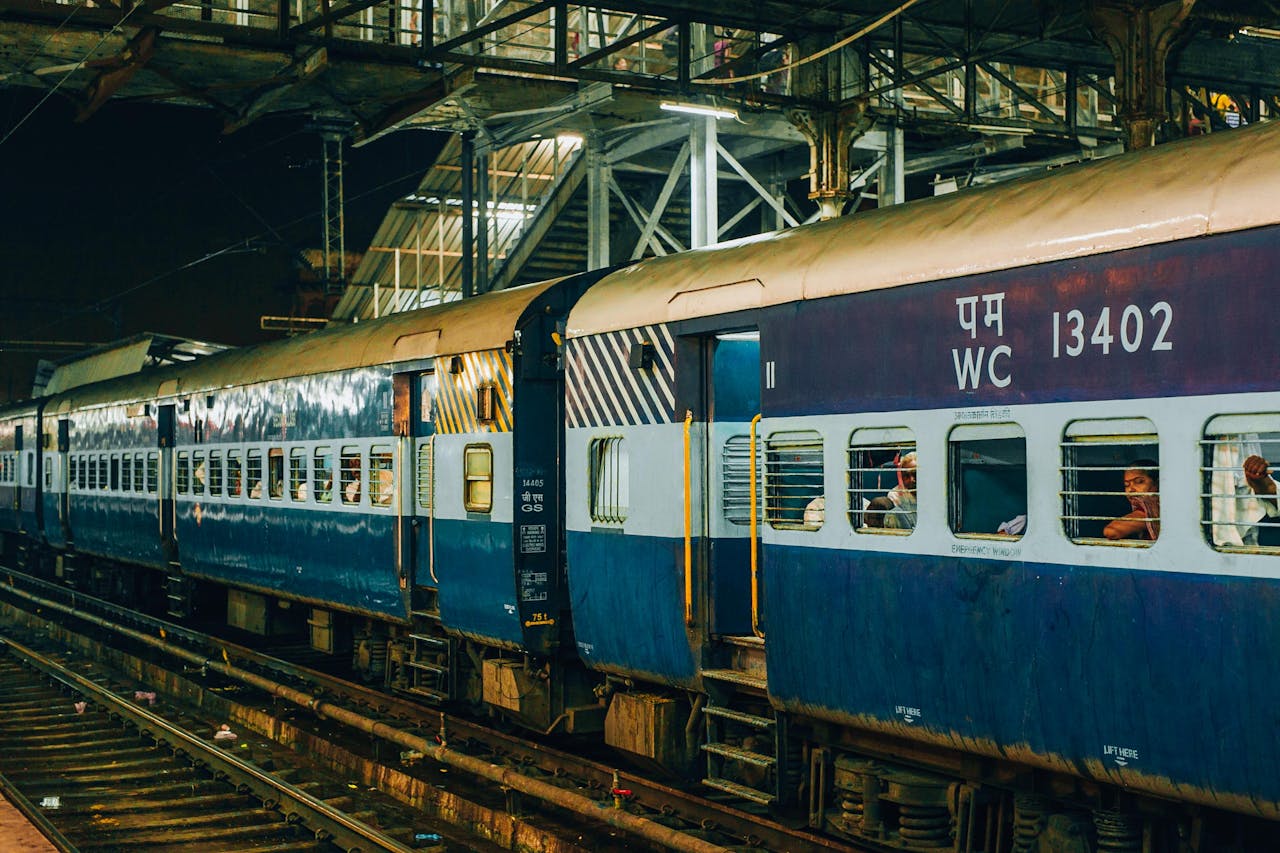
Getting around Uttar Pradesh is fairly straightforward, thanks to a solid transportation network. The state has a comprehensive railway system that connects major cities, with options like express, super-fast, and passenger trains. For those seeking a unique experience, there are luxury train journeys such as the Maharajas’ Express and the Buddhist Circuit train.
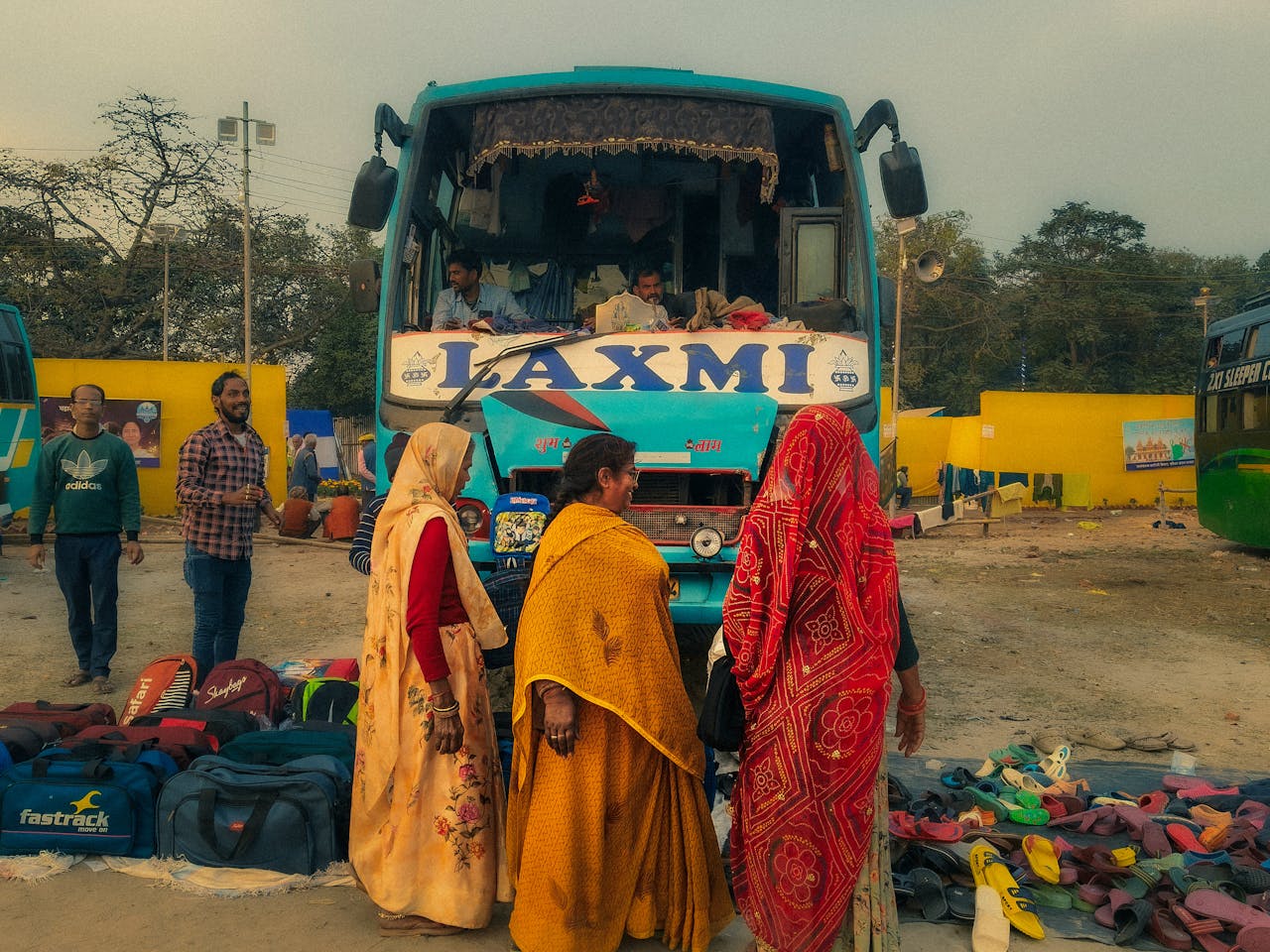
Buses, managed by the UPSRTC and private companies, provide extensive coverage across the state, with a wide range of options from basic to comfortable AC buses. In cities, taxis and auto-rickshaws are readily available; it’s a good idea to use pre-paid services or agree on fares in advance. App-based taxi services are also growing in popularity. If you prefer to drive yourself, car rental options—both with and without drivers—are available through various online platforms and local agencies. Currently, metro services are active in Lucknow, Kanpur, and Agra, with plans for future expansion. Additionally, major cities like Agra, Kanpur, and Varanasi have domestic airports, while international airports in Lucknow and Varanasi provide good connections for travelers coming from outside the country.
Immersing in Culture: Unique Experiences and Events

Uttar Pradesh is rich in culture and offers plenty of opportunities to immerse yourself. You can witness the exquisite craft of Banarasi silk weaving in Varanasi, discover the art of Pacchikari inlay work in Agra, or explore the delicate Chikankari embroidery in Lucknow. Food lovers can join cooking classes that focus on traditional Awadhi cuisine or Mughlai dishes, and street food tours are a great way to sample local flavors. Heritage walks in cities like Lucknow and Varanasi offer a deep dive into the state’s rich history and beautiful architecture.
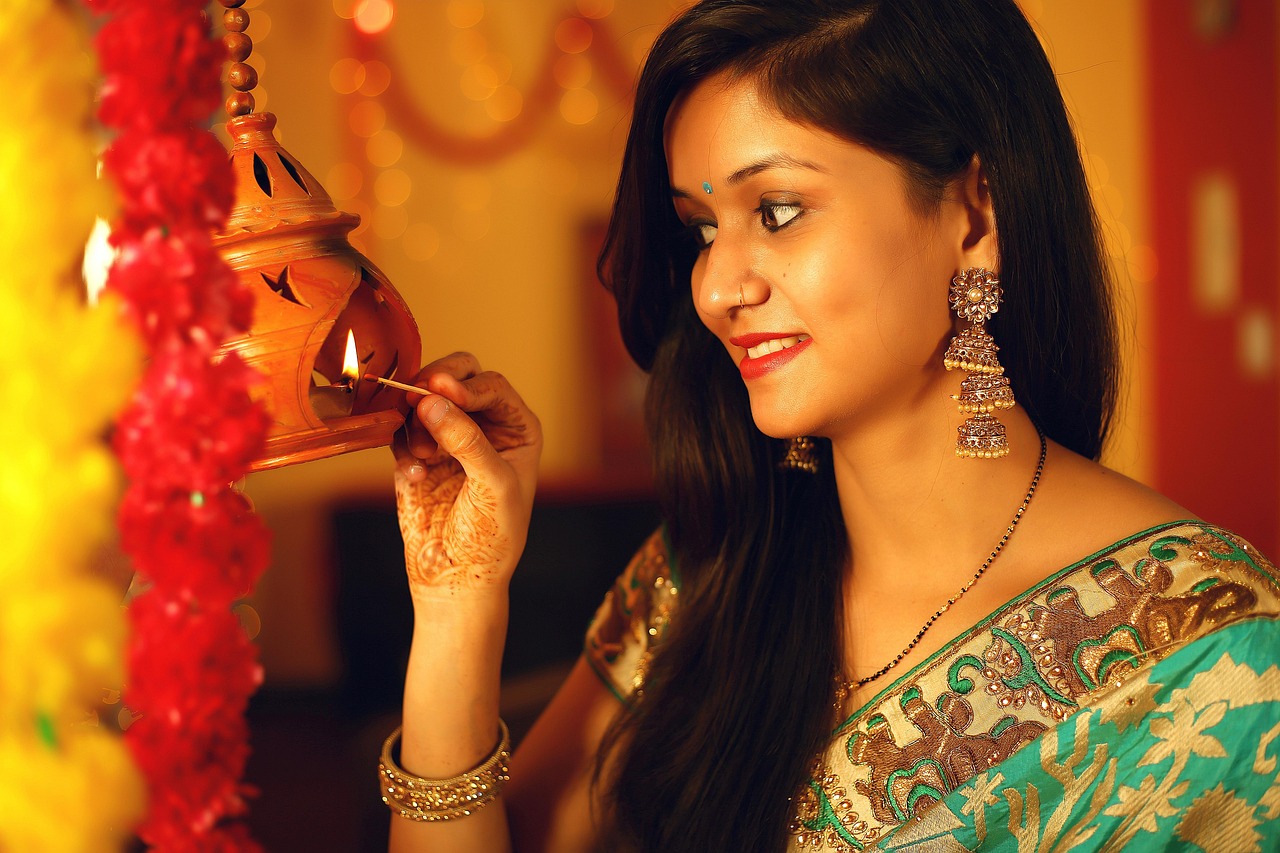
Visitors can also engage in local rituals, such as the Ganga Aarti in Varanasi, taking part in the Kumbh Mela in Prayagraj, or joining the vibrant Holi celebrations in Mathura and Vrindavan. Major events like the Kumbh Mela, Diwali, Holi, Eid, Janmashtami, and several other festivals reflect the cultural richness of the state.
While Uttar Pradesh is generally welcoming, it’s important to stay informed about safety and travel advice. Various countries offer travel advisories for India, including Uttar Pradesh. The US State Department suggests exercising increased caution in India due to crime and security risks, particularly advising against travel to certain areas. The UK Foreign Office also has warnings about specific regions and broader safety concerns, while the Government of Canada recommends high caution due to potential threats.
Ensuring a Safe Trip: Travel Advisories and Guidelines
Some basic safety tips include being aware of your surroundings, avoiding large crowds, and keeping your valuables secure. For solo female travelers, dressing modestly and preferably traveling with companions at night is advisable. When using transportation, opt for pre-paid taxis or well-known ride-sharing apps, especially after dark. Be cautious about common scams like fake ticket sellers and overpriced taxis, and consult a doctor before your trip for any vaccinations or health advice, especially regarding food and water safety.
When it comes to traveling, especially to a place as vibrant as Uttar Pradesh, there are a few safety tips that can really enhance your experience. Always stay aware of your surroundings, steer clear of big crowds, and keep your belongings close. For women traveling solo, it’s advisable to dress modestly, avoid wandering around alone at night, and don’t hesitate to be assertive when needed. When using transportation, it’s a good idea to stick with trustworthy pre-paid taxis or well-known ride-sharing apps, particularly after dark. And, of course, watch out for common scams—things like fake ticket sellers, overpriced taxis, phony guides, and gemstone con artists. To stay healthy, consider chatting with your doctor before your trip to discuss any vaccinations you may need and tips for safe eating and drinking.
Exploring Further: Popular Tourist Circuits and Itineraries
Uttar Pradesh is also part of some incredibly popular tourist routes. For instance, it plays a starring role in the Golden Triangle circuit, which connects Delhi, Agra, and Jaipur, with Agra being a highlight. Some itineraries even stretch to include the holy cities of Mathura and Vrindavan.
Another exciting route is the Buddhist Circuit, which takes you to important sites linked to the life of Lord Buddha like Sarnath and Kushinagar. If you’re interested in Lord Krishna’s tales, the Braj Bhoomi Circuit covers Mathura, Vrindavan, and surrounding areas like Gokul and Barsana.
Thinking about planning your trip? Sample itineraries can be a helpful guide. One option for a 7-day journey could include marveling at Agra’s Mughal architecture, soaking in the spiritual vibe of Varanasi, discovering the rich culture of Lucknow, visiting sacred places in Prayagraj, and exploring the devotional heart of Mathura and Vrindavan. For a more spiritual-themed journey, you could explore Varanasi, Ayodhya, Prayagraj, and Mathura-Vrindavan in about 5 to 7 days. If your focus is on heritage, a shorter 4 to 5-day trip might cover Agra, Lucknow, Jhansi, and Prayagraj. And don’t forget the other circuits available, like the Ramayana, Mahabharata, Ganga, Heritage, Wildlife and Eco-Tourism, Spiritual, and Freedom Struggle Circuits—they open up a variety of interests to dive into.
Conclusion: Your Unforgettable Uttar Pradesh Experience
Uttar Pradesh is truly the heart of India, inviting travelers with its blend of history, spirituality, and natural beauty. From the grandeur of the Taj Mahal to the serene ghats of Varanasi, and from the royal charm of Lucknow to the lush wildlife in Dudhwa and Chambal, there’s something unforgettable waiting for everyone.
By planning your visit during the delightful winter months, choosing from a variety of accommodations, and leveraging the extensive transport options available, you can comfortably enjoy all that Uttar Pradesh has to offer. Engaging with the local culture through arts, food, and festivals will definitely enhance your travel experience. Keeping safety in mind is essential, but the warmth and charm of Uttar Pradesh promise a trip filled with lasting memories.